
A $100 Landline Is Teaching Gen Alpha How to Call a Friend

My niece video-called me last month from the family iPad with a request. She wanted me, the aunt who used to sell phones for a living, to argue her case for the can phone her best friend got for her birthday. She is nine, and she had clearly rehearsed.
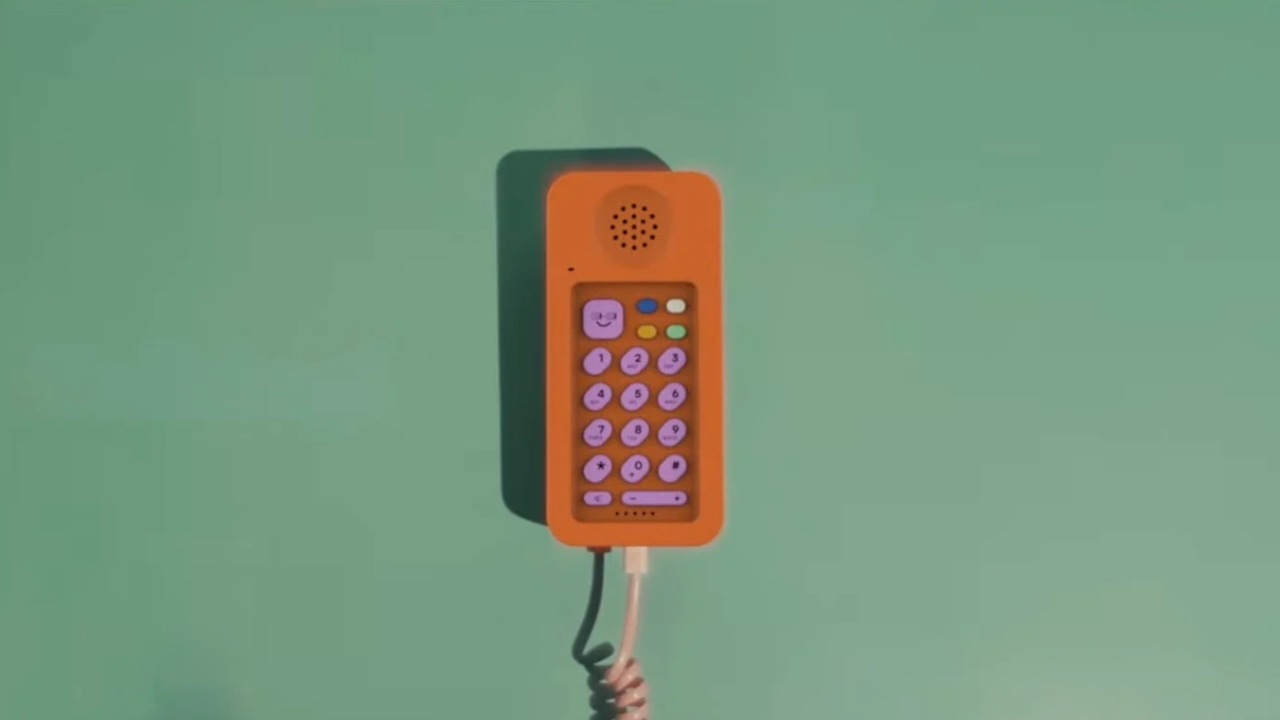
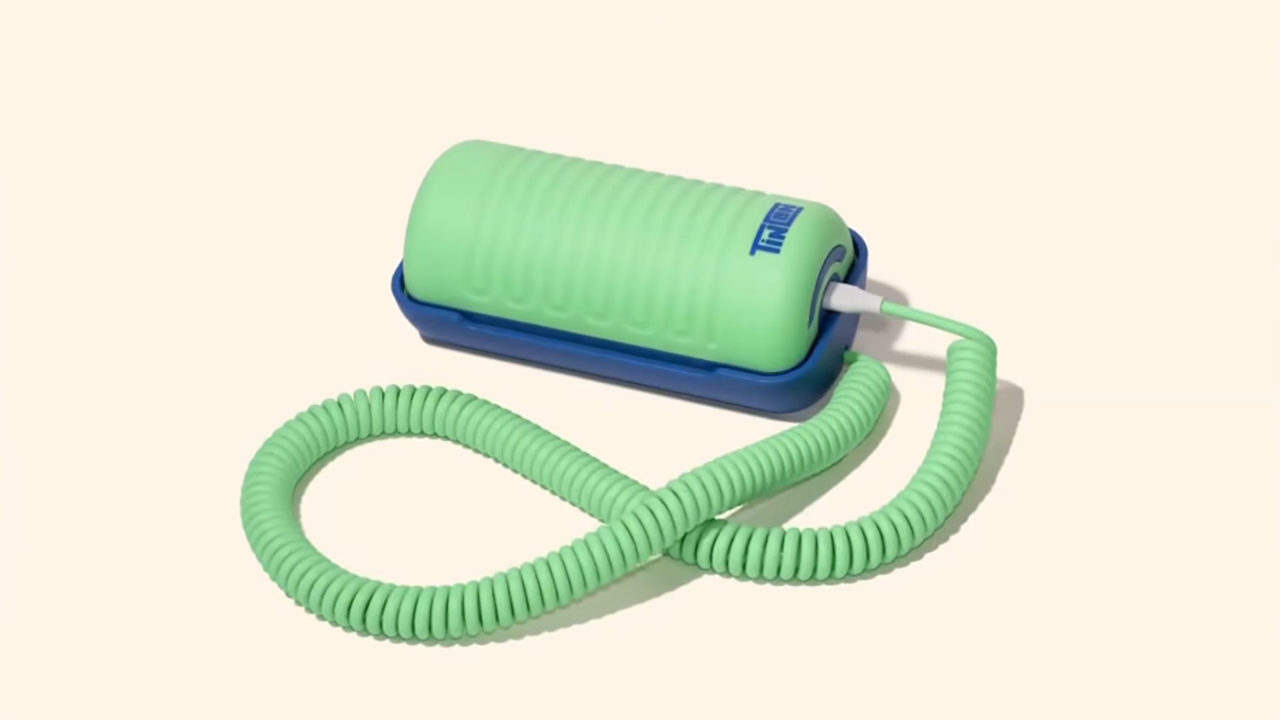
The can phone is Tin Can, a $100 corded home phone for kids made by a Seattle startup.
In 2025, my family spent a month arguing about whether a landline could be her first phone, and nobody bought anything. Now the same argument is back, except it comes in colors called Landline Lemon and Later Alligator Lilac.
So I did what I always do before I call something a trend. I checked the price, who pays, and whether anyone is still dialing after the first month.
What Tin Can Actually Is
Despite the headlines, Tin Can is not a landline in the old copper-wire sense. It plugs into a regular wall outlet, connects to home Wi-Fi on the 2.4GHz band, and needs no phone jack.
Parents run everything from a companion app on iOS or Android.
According to the company product listing, the phone works like this.
- No screen, apps, texting, games or internet browser.
- Only numbers on a parent-approved list can call in or be called.
- Quiet hours switch off incoming and outgoing calls during homework or bedtime.
- Voicemail, speed dial and speakerphone are built in, and call logs appear in the parent app.
- Calls to 911 are free, with the home address set during setup.
I read terms and product pages for fun, and one line stood out. The company itself tells families to keep another way to reach 911, because outages or network problems can limit calling.
What It Costs After the First Month
Three years on a phone sales floor taught me to ignore the sticker and ask about the monthly bill. Calls between two Tin Can phones are free. Calling Grandma on her cell, or Dad at work, needs the Party Line plan at $9.99 a month, with the first month included.
A bigger rival now sells a cheaper version. Ooma, which already sells home phone service, launched its MyPhone kids bundle in May 2026, and the Ooma MyPhone launch announcement lists the prices below.
| Phone | Device price | Monthly plan | First-year cost (my math) |
| Tin Can | $100 | $9.99, first month free | $209.89 |
| Ooma MyPhone | $79.99 | $7.99 | $175.87 |
Both totals are my own math from listed prices, before taxes and fees. The free Tin Can calls only matter if friends own one too, and that is the smartest part of the business.
How Many Families Are Actually Buying One
View this post on Instagram
Tin Can launched in April 2025, and the company says it has sold several hundred thousand phones, mostly through word of mouth. I could not find an outside sales figure to check against that number, so treat it as a company claim.
The money side is easier to verify. GeekWire reported the $12 million seed round led by Greylock Partners in December 2025, which followed a $3.5 million pre-seed round in September. At the time, Tin Can had 17 employees, had sold out its first two production runs, and described its waitlist as near six figures.
Did you know? From July to December 2024, 86.9% of U.S. children lived in homes with only wireless phones, according to the CDC wireless substitution report. Roughly one kid in eight had a landline at home.
Why Parents Are Saying Yes
When I sold first phones from 2020 to 2023, parents rarely asked what a phone could do. They asked what it could not do. One dad wanted a phone his 10-year-old could only use to call him, and I had nothing that simple on the shelf.
Figures from a 2025 Pew Research Center survey of 3,054 parents of children 12 and under show the gap Tin Can walked into.
- About one in four parents say their child has a smartphone.
- 29% of kids ages 8 to 10 have one, and more than half of 11- and 12-year-olds do.
- 68% of parents say kids should generally be at least 12 before a first smartphone.
My take is that Tin Can sells into the years between 8 and 12, when parents want contact without a pocket screen.
Pew Research has also become more cautious about generational labels. I think a child’s age matters more than the name assigned to their generation.
What Kids Actually Practice on a Corded Phone
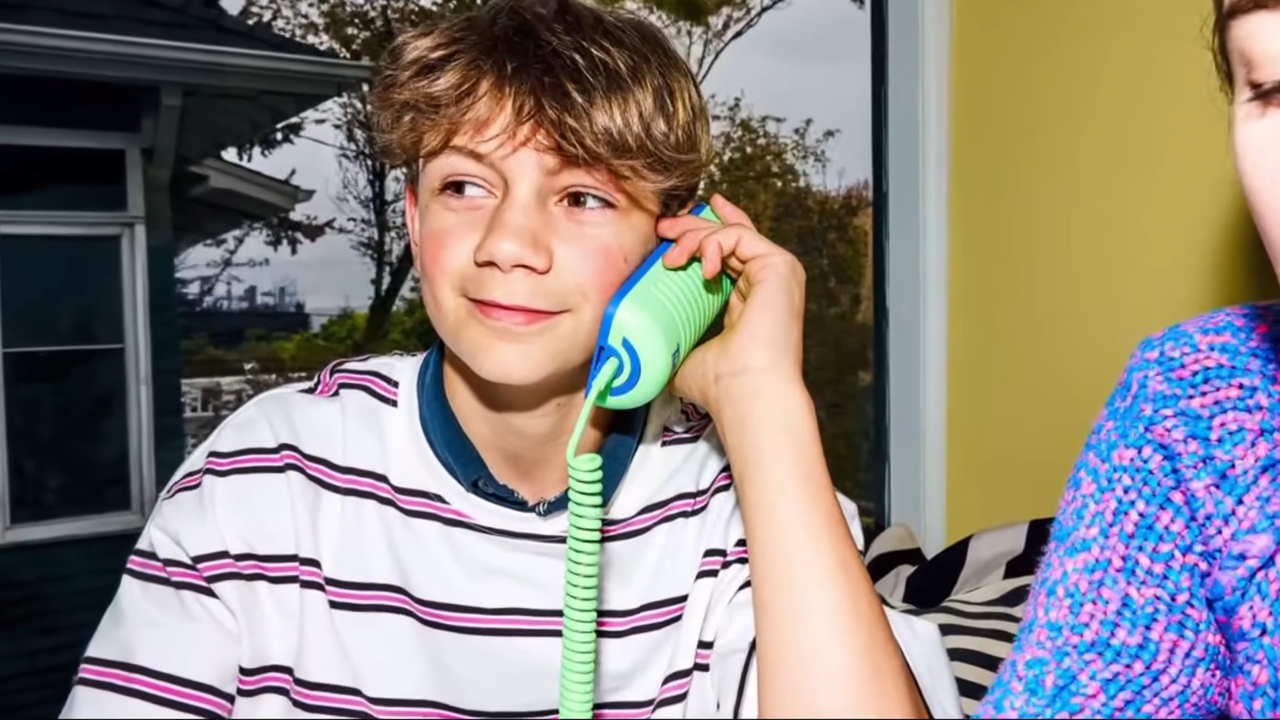
The headline promise is that kids are learning to call a friend, and I believe the skill part. At nine, I answered the corded phone at the family nail salon in San Jose and learned to say the salon name, ask who was calling and write down a number.
Tin Can works the same muscles. Kids dial by hand, ask a parent to put a friend on, and sit through the awkward pause when nobody talks. It reminds me of the millennial pause, except the child has no edit button to erase an awkward silence.
Chet Kittleson, the cofounder and CEO, built the idea after his daughter, then 7, wanted to plan her own playdates, Fast Company reported in June 2026.
Kittleson also argues that texting and video calls weaken how kids handle silence, as he told Bloomberg in an interview republished by The Spokesman-Review. Keep the limits in view. I found parent stories and company statements, but no study yet that measures what kids learn.
Schools Are Buying In Too
The detail that made me take Tin Can seriously did not come from social media. It came from schools, which Digit described as one of the fastest-growing customer groups in April 2026.
The Tin Can has gone viral over the past year, mostly through word of mouth. Now schools want to get even more of them in students’ homes. https://t.co/b3HvMXEUAH
— Samantha Murphy Kelly (@HeySamantha) April 24, 2026
About 95% of kindergarten through fifth-grade families at Nativity Parish School near Kansas City signed up. St. James’ Episcopal School in Los Angeles planned to give a phone to each of its 220 families before summer break. Thousands of administrators are reportedly weighing bulk orders, though no one has published a count.
My long-held view is that what parents buy for kids says more about a trend than what kids post. When a school pays, the trend has a budget line.
One warning from the same reporting is worth repeating. A kindergartner dialed 911 by accident and brought an emergency visit home, so teach the rules on day one.
Where Tin Can Falls Short
On day 19 of my own flip-phone experiment in 2024, I quit because my bank wanted an app approval my phone could not give. Every simple device has a day 19, and Tin Can has a few.
- No Wi-Fi or no power means no calls, so it stays a home phone.
- On Christmas Day 2025, new setups overwhelmed the service after call volume rose more than 100 times from the start of December, and Futurism reported on the slow recovery into January.
- Calls to regular phone numbers require the paid plan after the free month.
- Free calling only works with friends who also own a Tin Can.
None of those problems make it a bad product. Parents keep their own smartphones, and the kid gets a phone that cannot follow them to bed.
A recent Pew survey shows why that matters beyond childhood. 62% of adults under 30 say smartphones hurt their sleep, compared with just 14% of adults ages 65 and older.
The Month Two Test
Every January on the sales floor, I watched the hit gift of the year come back through the return line. My rule is simple. A viral product becomes a trend only when people keep using it after the first month.
The 6-7 meme lost 99% of its search interest after its Word of the Year win. I want to see if Tin Can can survive a similar loss of attention.
By that test, Tin Can looks stronger than most. It launched in April 2025, and a year later schools were signing up whole grades. Fast Company counted five sold-out production batches since July 2025, and Ooma launched its own version about 13 months after Tin Can first went on sale.
What I cannot see yet is how often each household still dials once the novelty wears off. No company publishes that number. Until someone does, my verdict is a cautious yes for families whose kids have friends on the network.
What I Told My Family
@tiny.cabin.montessori Get your kids a phone☎️ This is a fantastic new trend that me and my son have hopped on. We got a group of his buddies at school who also got landlines and we are starting this new experiment. We chose to use @tincan.kids (I should note that this is not a sponsored post) I like that you can choose the times of day. You choose who can call in and out and what times of the day. No spam. So far the customer service has been great and this nostalgic phone is really bringing me back to my childhood. Here are some weird things you’re gonna run into when teaching these little Gen Alpha kids how to use a landline. It’s been quite the learning curve. Would you try this with your kids? #TinCan #Landline #KidsLandline #AnalogKids #KidsAndPhones ♬ original sound – Tiny Cabin Montessori
On that video call, I gave the grown-ups a short list before anyone spends money. Ask the parents of your three closest friends whether they own a Tin Can, since the free calls depend on it. Budget about $210 for the first Tin Can year, or about $176 for MyPhone, before taxes.
Check that your Wi-Fi reaches the wall where the phone will hang. Keep another way to call 911 in the house, and explain what 911 is for before the first call. Set quiet hours before the first sleepover plan gets made at 9 p.m.
My niece took notes on a sticky pad. Her job this week is finding out which friends have a can phone, and the family meets again on Sunday. If the phone arrives, I have asked to be on the approved list, right after her best friend.