
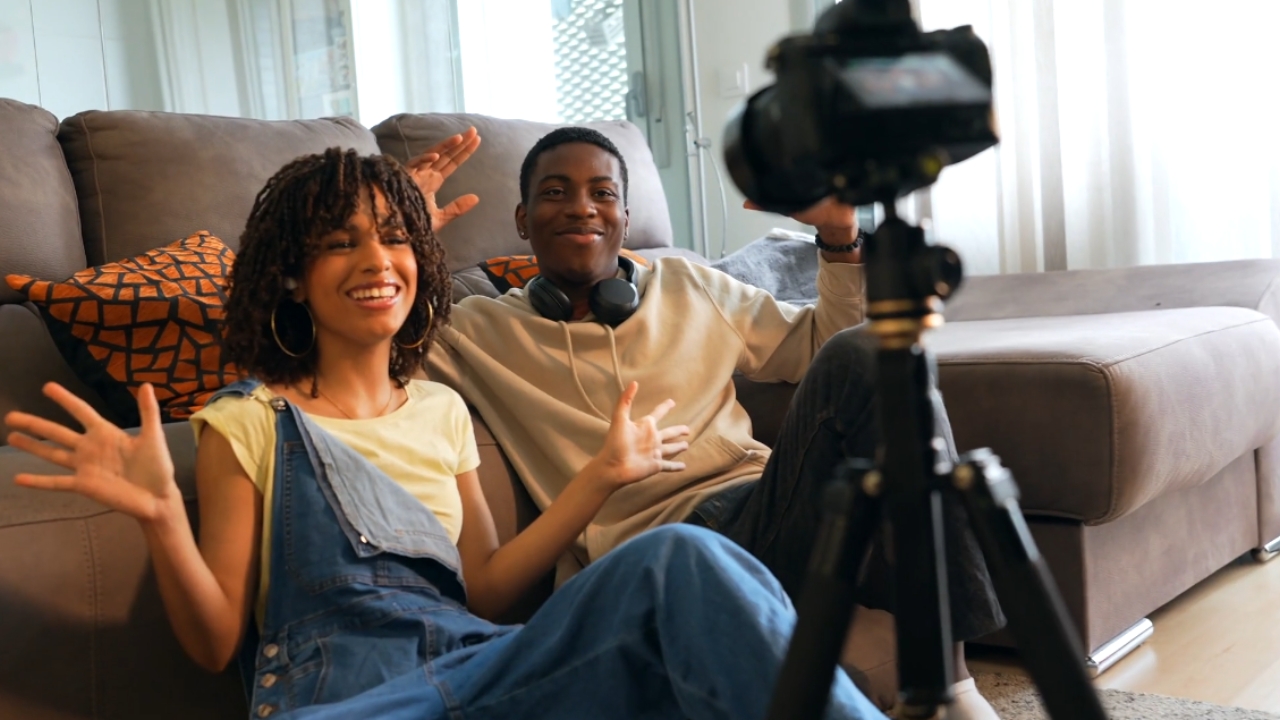
Millennials Wait a Beat Before Talking on Camera, and Gen Z Gave It a Name

In the fall of 2020, I taught social studies to a grid of rectangles. Every morning I pressed record on the lesson video, looked at the lens, and waited a full second before saying good morning.
My students, mostly born between 2003 and 2006, unmuted and started talking mid-sentence, as if the camera had been listening.
Every adult on those calls did what I did. Parents paused, the assistant principal paused, and my department chair paused so long that a sophomore asked in the chat whether his screen had frozen.
Two years later, TikTok had a name for what I had been watching, and the name pointed straight at people my age. I was born in 1995, so I count as a millennial by the Pew Research Center definition. I also pause before every voice memo I send, which makes me a witness and a suspect at once.
What the Millennial Pause Actually Means
The millennial pause is the short silence between pressing record and starting to speak. People usually describe it as lasting about a second, and it shows up most at the start of short videos on TikTok, Instagram Reels, and YouTube Shorts.
Nobody has measured the pause in a lab, as far as I can find. Every description of it comes from creators, commenters and journalists, so the length is an estimate people agree on, not a figure from a study.
Millennial pause (noun). A brief silence at the start of a video, after the recording begins and before the speaker talks. The phrase is mostly used as a joke about digital habits that separate millennials from younger internet users.
A Millennial Probably Named It, Not Gen Z
The popular story says Gen Z spotted our pause and named it to tease us. The record is messier. A Know Your Meme timeline of the term shows a parody before the name existed, then a slow spread.
- March 1, 2021. TikToker @victoriahammett posts a parody of millennial video openings, pausing before each fake start.
- November 26, 2021. TikToker @nisipisa points to a pause at the start of a Taylor Swift video and captions it “millennial pause (taylor’s version).” Swift was born in 1989.
- Mid-2022. Creators of all ages post their own versions, and interest in the phrase climbs.
- August 6, 2022. Kate Lindsay, a millennial writer, covers the habit in an August 2022 piece for The Atlantic.
It seems that @nisipisa is a millennial too. So the name most likely came from inside the generation it mocks.
Why Gen Z Still Gets the Credit
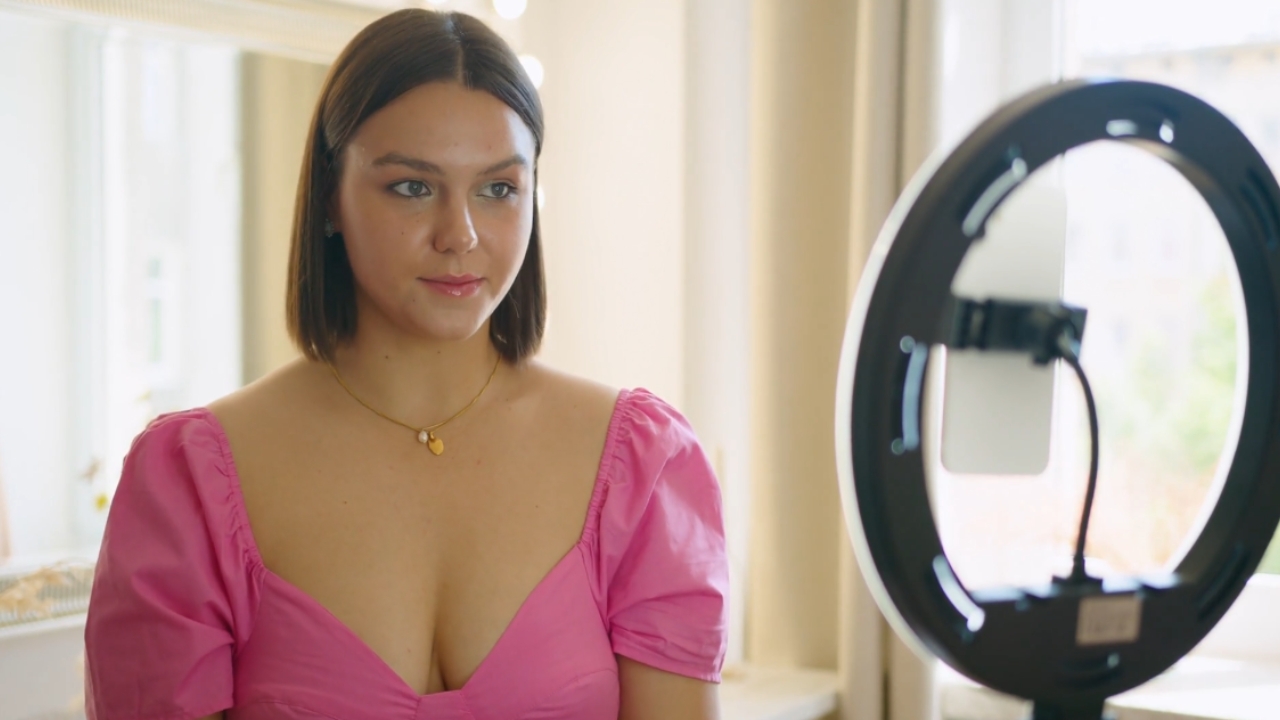
Gen Z did not coin the phrase, but younger creators turned it into a running joke. In August 2022, a Daily Dot column observed that poking fun at millennial habits had grown into its own category of TikTok parody, with younger users imitating older creators for laughs and views.
The same column raised a question most coverage skipped. Kahlil Greene, who calls himself a Gen Z historian, argued that the online fight mostly involved white creators, with Gen Z borrowing from Black American culture and millennials leaning on suburban culture.
I think he caught something real. A joke about “how millennials film” assumes there is one millennial, and after five years of parent-teacher conferences, I have met far too many of us to believe in that person.
There is a similar story behind “unc”, a term with deep roots in Black American English that younger social media users now also use to tease millennials about their age.
The chopped slang insult also has roots in African American English, despite its reputation as a recent teen expression.
The Camcorder Theory and My Dad’s Red Light
The most common explanation is technical. Many millennials learned to record on cassette recorders and VHS camcorders, which often needed a split second before the tape actually rolled.
I grew up with that machine. At my brother’s fifth birthday in 2003, my dad held our family camcorder in the living room in Edison, and nobody was allowed to sing until the little red light came on. We paused as a family, at every party, for years.
The contrast is hard to miss: Gen Alpha kids now have a $100 corded home phone, a device once seen as yesterday’s technology.
Still, a theory that fits my childhood is not proof. The explanations people offer fall into three groups, and none has been tested in a published study.
- Older devices had a recording delay, and the habit outlived the hardware.
- Speakers wait to confirm that the phone is really recording.
- Some creators take a beat to compose themselves for a cleaner take.
Gen Z Has an Opening Habit Too
The younger version arrived on January 18, 2023, when TikToker @homegirlzay suggested that her generation starts recording before setting the phone down, so the first second of the video wobbles. Know Your Meme logged more than 1.9 million views in two days, and the habit picked up the name Gen Z shake.
By February 2025, LADbible reported that some creators admitted doing the shake on purpose, because a messy start can look more casual and real. An accident had become a style choice.
Did you know? The “Gen Z stare” is a separate trend with no camera involved. It describes a blank look some people say young workers give instead of small talk, and it went viral in mid-2025 after a July 2024 TikTok first described it.
View this post on Instagram
Who Is Actually Filming These Videos
If the pause belongs to millennials and the shake belongs to Gen Z, the next question is who uses the app at all. The Pew Research Center tracks that, and the age gap is real, even though it says nothing about pausing.
The adult figures come from 5,022 people surveyed between February and June 2025 for the Pew 2025 report on social media use. The teen figure and the age breakdown appear in a March 2026 Pew summary of TikTok facts.
Pew asked who uses the app, not how anyone starts a video. Whether we pause more often is still a joke without a denominator.
Age differences extend to other smartphone habits. Pew’s research on smartphone use and sleep found a 48-percentage-point gap between adults under 30 and those 65 and older who say their phones hurt their sleep.
Birth Years Do Not Line Up With the Pause

Pew counts millennials as people born from 1981 to 1996 and starts Gen Z in 1997 without setting an end year, as its explainer on generational cutoffs lays out. By that line, my brother, born in 1998, is Gen Z and I am not, even though we fought over the same desktop computer.
Pew’s revised approach to generational labels also raises a question about the pause: how much can a birth year tell us about someone’s behavior on camera?
The distinction matters beyond social media. A separate Pew survey on job prospects found that opinions changed across every adult age group between 2021 and 2026.
The pause ignores the line as well. JC Chasez, born in 1976, and Jennifer Coolidge, born in 1961, both paused in their first TikToks. Neither counts as a millennial by Pew standards.
My grandmother in Chennai learned video calls at 78, in 2020. Her voice notes open with three seconds of silence and a small cough, and nobody in our family has ever called her a millennial.
What to Do if Your Videos Start With Silence
If you post for fun, you do not have to change anything. The pause is a few frames of quiet, and when I asked my test-prep students about it, most of them said they noticed it only after someone told them it existed.
Work videos are different, because editing guides and creators commonly advise a fast start on short clips. Two small habits remove the pause without making you sound rushed.
- Trim the first second in your phone editor or inside the app before you post.
- Set a countdown timer, so the camera is already rolling when you open your mouth.
Neither fix is a rule. A pause that makes you look careful in a client update can read as warm and unhurried in a video for friends, and the audience usually decides which one it sees.
Where the Label Stops Working
@cameoComment your fav millennial pause down below♬ original sound – Cameo
The pause works as a joke because almost everyone recognizes it. As a generational marker, it breaks fast. A millennial probably named it, Gen Xers and boomers do it, and a Gen Z habit now rivals it, sometimes on purpose.
Similar stereotypes shape the debate over why Baby Boomers get blamed for economic inequality.
Some internet jokes have much shorter lives. The 6-7 meme lost 99% of its peak Google Trends interest after its Word of the Year award, a sharp contrast with the millennial pause, which has remained part of online culture for years.
My friend had a daughter in January 2025, which makes her one of the first Gen Beta kids under the labels now in circulation. Her millennial parents film her almost daily, and nearly every clip opens with a beat of silence. She will hear our pause long before she hears any name for her own generation.
Last week, my cousin, born in 1999, sent me a video of herself testing a new ring light. She waited a full second before speaking. I answered with a voice memo that opened with my own pause, and neither of us mentioned it.