
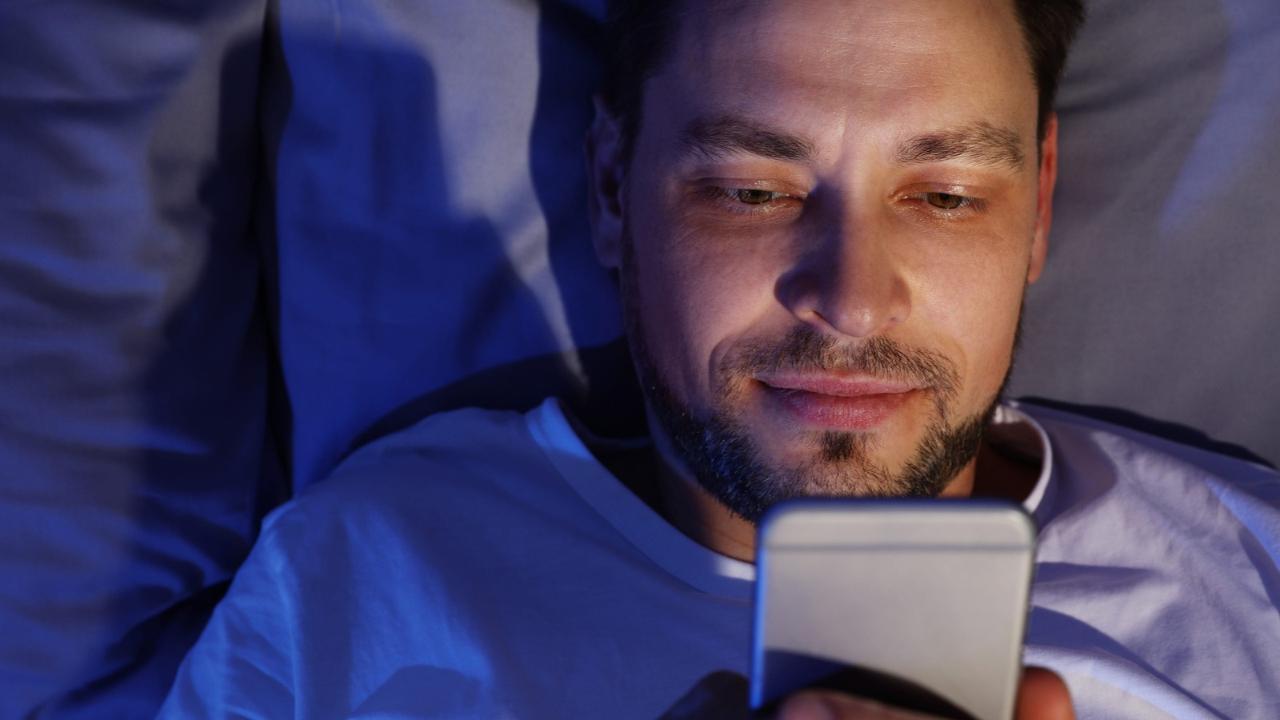
Most Adults Under 30 Say Their Phone Costs Them Sleep. Only 14% of Those Over 65 Agree

Most adults under 30 now say their phone is costing them sleep, and most older adults say it is not. A Pew Research Center survey of 9,750 U.S. adults, released on September 1, 2026, found that 62% of adults ages 18 to 29 say using their smartphone hurts how much sleep they get.
Among adults 65 and older, the figure drops to 14%. We went past the chart into the questionnaire, the margins of error, and the sleep research behind it.
The gap holds up, but the reasons for it say more about where the phone sits at night than about birth year.
What Pew Found Across Four Age Groups
Roughly half of U.S. adults say they spend too much time on their smartphone and younger adults stand out.
70% of adults under 30 say they spend too much time on their phone.
📱What do you spend the most time doing on your phone? https://t.co/8D2ZdSvfYz
— Pew Research Center (@pewresearch) September 10, 2026
Pew asked smartphone owners whether their phone helps or hurts five parts of daily life. Sleep drew the most complaints, with 41% of all adults saying the phone hurts it and 5% saying it helps. The age pattern runs in one direction and lines up with two other survey questions.
| Age group | Phone hurts their sleep | Use phone almost constantly | Spend too much time on phone |
| 18 to 29 | 62% | 42% | 70% |
| 30 to 49 | 52% | 33% | 64% |
| 50 to 64 | 36% | 21% | 49% |
| 65 and older | 14% | 9% | 25% |
Every column shrinks with age. Adults under 30 are about four times as likely as those 65 and older to blame the phone for lost sleep, and nearly five times as likely to use it almost constantly. Our read is that sleep complaints follow phone hours, so the gap is a habit story first.
What the 14% Figure Does and Does Not Mean
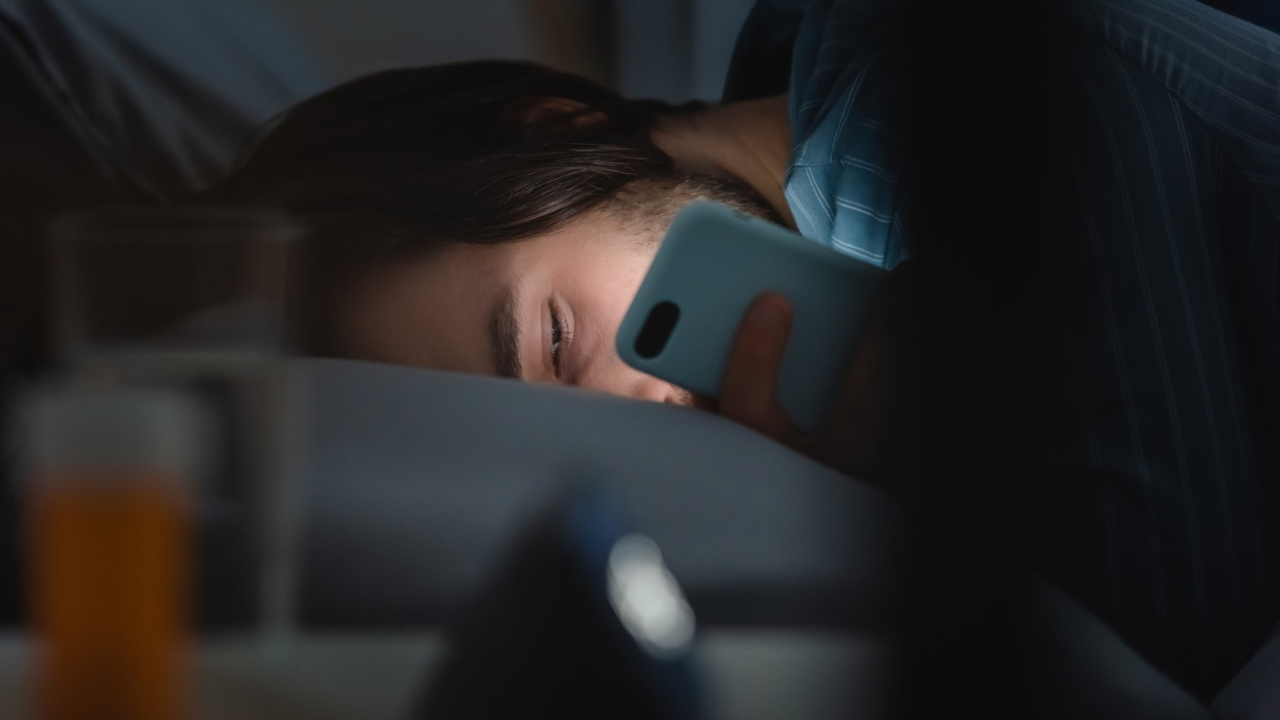
The survey measures belief, not minutes of sleep lost. Of the 41% who say the phone hurts their sleep, the full topline results show 30% chose “hurts a little” and 11% chose “hurts a lot,” so most complaints are mild.
The exact question. Pew asked smartphone owners, “Do you think using your smartphone helps or hurts each of the following?” Answers ran on a five-point scale from helps a lot to hurts a lot.
Pew reported each age group as a share of all adults in it, including people without a smartphone. A separate Pew ownership survey from 2026 puts smartphone ownership at 79% for adults 65 and older, against 97% for those under 30.
Our rough math (14 divided by 0.79) suggests about 18% of older owners feel the sleep hit. The survey methodology puts the under-30 margin of error at 4.2 points, against 2.4 for the oldest group.
Why Younger Adults Say the Phone Keeps Them Up
View this post on Instagram
Pew did not ask people why their sleep suffers, so any explanation goes beyond its data. A YouGov poll from 2025 fills part of the gap by asking where the phone goes at night. Its findings on bedtime and morning phone use show a sharp split between adults under 30 and everyone older.
- 61% of adults under 30 always or often use their phone within 10 minutes of falling asleep, compared with 43% of all adults.
- 38% of under-30s keep the phone on the bed while they sleep, against 16% of older adults.
- 60% of under-30s pick it up within 10 minutes of waking.
- 51% of under-30s say the phone has a mostly negative effect on their sleep, compared with 27% of older adults.
YouGov used an opt-in online panel with a margin of error of about 4 points, so treat the exact figures loosely. The direction matches Pew closely.
What Sleep Research Says About Screens in Bed
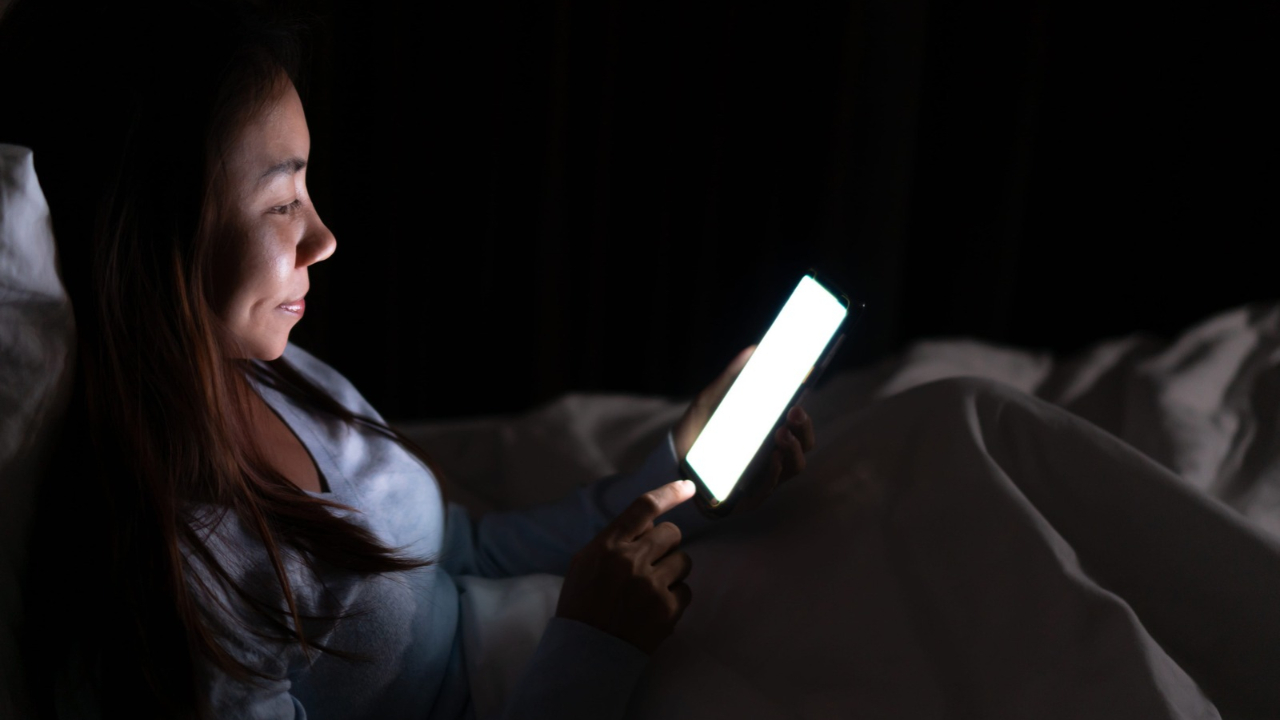
The strongest recent evidence comes from Norway. A 2025 study in Frontiers in Psychiatry surveyed 45,202 university students ages 18 to 28 about screen use after getting into bed.
Each extra hour of in-bed screen time was linked to 59% higher odds of insomnia symptoms and about 24 fewer minutes of sleep.
The authors caution that the study cannot prove screens caused the sleep loss, since students who already sleep badly may reach for their phones more. Their leading explanation is plain displacement, with scrolling taking up time that would otherwise go to sleep.
That fits the Pew wording neatly, because its item asks how much sleep people get, not how well they sleep.
Did you know? In the same Norwegian study, social media was not more damaging than other screen activities in bed. Total time on the screen mattered more than what was on it.
Most People Who Try to Cut Back Get Only Partway
Plenty of Americans have already noticed the problem. Pew found 45% of adults tried to cut back on smartphone use in the past 12 months, including 58% of those ages 18 to 49, 39% of those 50 to 64 and 23% of those 65 and older. Results were modest.
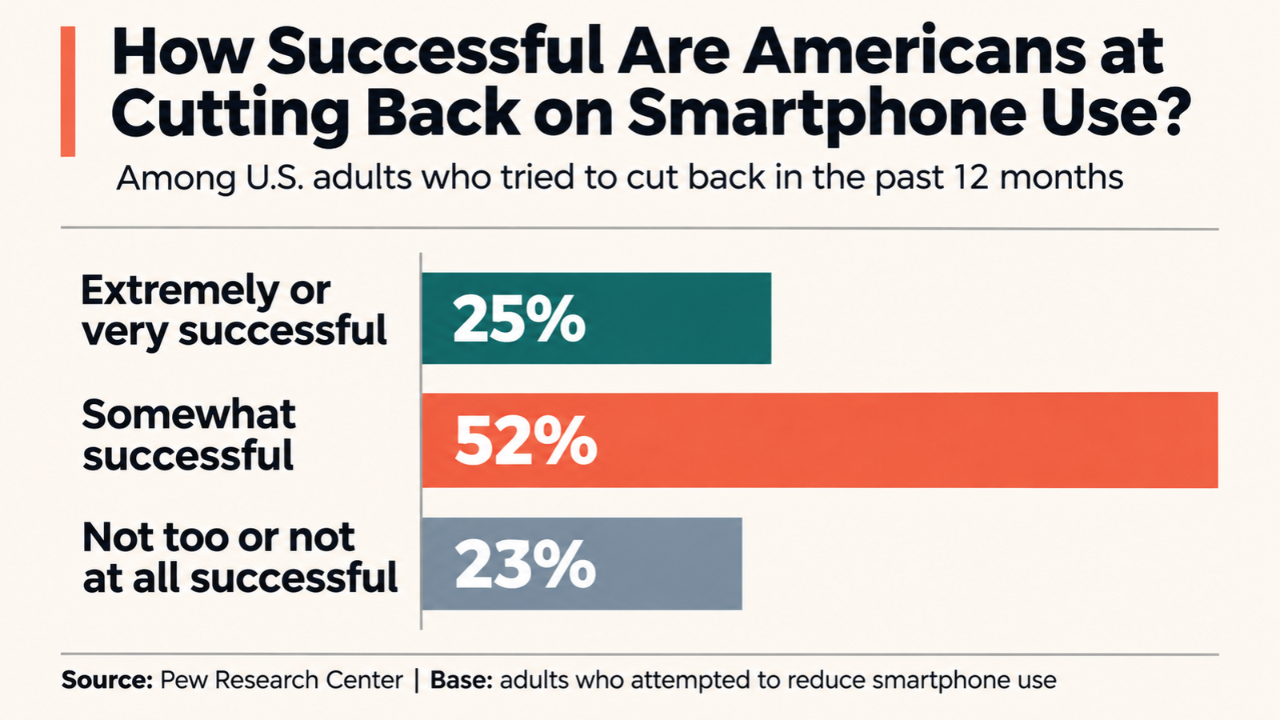
Pew says success varies little by age, so younger adults try more often without doing better. Watch the wording in coverage, too, since ThePrint reported that 25% were “extremely successful,” while Pew grouped extremely and very together.
Our take is simple. A cutback that fades by month two was a mood, not a change.
Small Changes We Would Try First
The American Academy of Sleep Medicine publishes practical advice on phones and bedtime alongside a 2022 survey in which 93% of Gen Z adults admitted losing sleep to social media. We would start with the cheapest steps and give each one a full month.
- Charge the phone in another room overnight, which takes it off the bed entirely.
- Get a basic alarm clock if the phone wakes you up.
- Switch off push notifications and sound if the phone has to stay in the bedroom.
- Put screens away 30 to 60 minutes before bed, the window the academy recommends.
- Write down your bedtime for two weeks before and after, so you can see whether anything moved.
Families already draw this kind of line for kids with screenless options such as a $100 corded home phone for children. Adults can draw it at the bedroom door.
What the Age Gap Really Tells Us
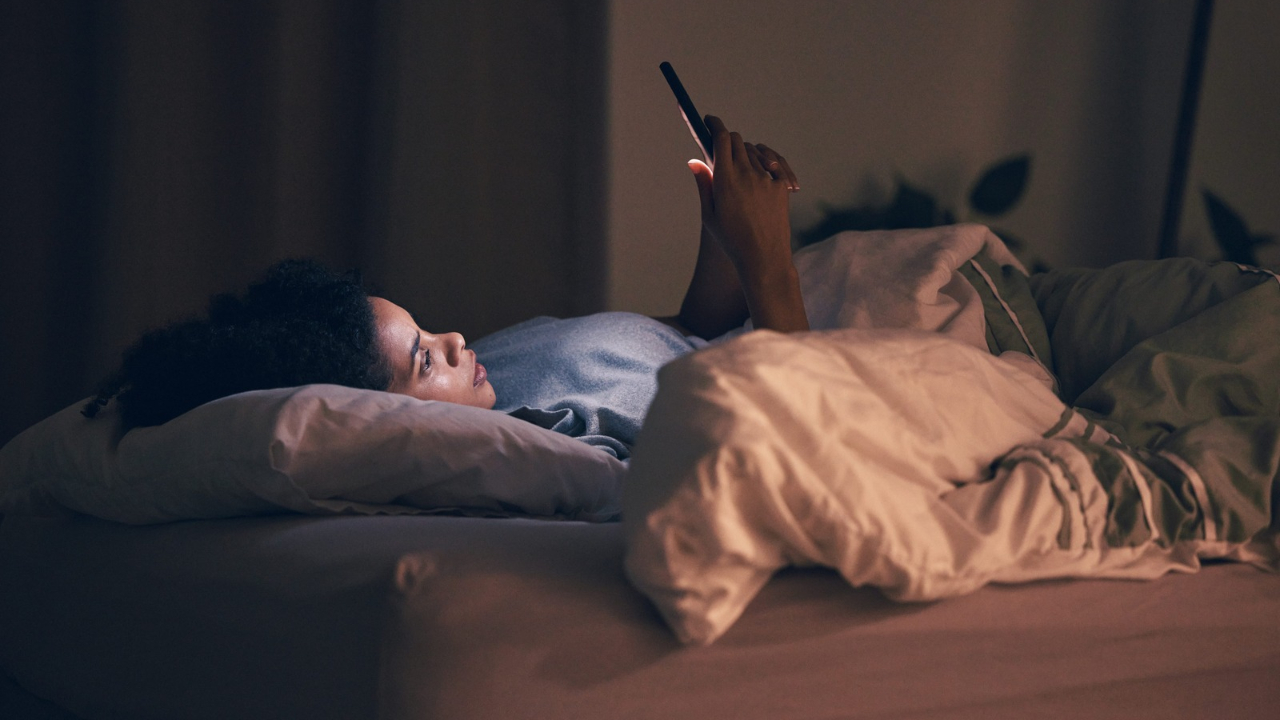
The headline figure holds up. Pew found 62% of adults under 30 say their phone costs them sleep, against 14% of adults 65 and older, and the difference is far larger than any margin of error. What the data does not show is that young adults are wired differently.
Adults under 30 use the phone almost constantly at more than four times the rate of older adults, and many keep it on the bed. If you see yourself in the 62%, move the charger out of the bedroom for 30 nights and track your bedtime.
Check again in month two, and keep the change only if your bedtime moved earlier.
Curious questions
1. How Many Hours of Sleep Do Adults Need?
The CDC recommends 7 or more hours a night for adults 18 to 60, 7 to 9 hours for ages 61 to 64, and 7 to 8 hours for adults 65 and older. The agency also suggests turning off electronic devices at least 30 minutes before bedtime.
2. Do Screen-Time Apps Help People Cut Back?
Sometimes. The same YouGov poll found 17% of adults have used a screen-time app, including 37% of adults under 30. Among users, 52% said the apps worked at least somewhat well and 39% said they did not.
3. Is This a Gen Z Versus Baby Boomer Finding?
Not as Pew framed it. The survey reported results by age bracket rather than by generation, and the research center has grown cautious about labels like Gen Z and millennials.
Calling the gap a generational divide adds a label the data never used.